What Tuckpointing Is and Why It’s Critical for Commercial Buildings
Commercial tuckpointing helps repair and restore brickwork, and local contractors can provide expert services to ensure your building’s structural integrity and appearance.
If you’re exploring the importance of maintaining the integrity of commercial building exteriors, understanding what tuckpointing is and why it’s critical can make a significant difference. Tuckpointing involves carefully repairing and restoring the mortar joints between bricks or stones, helping to preserve the structure’s stability and appearance. Property owners in the area often find that addressing mortar deterioration early can prevent more costly repairs down the line, ensuring the building remains both safe and visually appealing. Local contractors who specialize in commercial tuckpointing have the expertise to assess and restore these vital elements, keeping your property in top condition.
Recognizing the role of tuckpointing in the overall health of a commercial building is essential for property owners committed to long-term value. When mortar joints weaken or crack, it can lead to water infiltration, structural damage, and increased maintenance costs. This is why many property managers and owners turn to experienced service providers who understand the nuances of tuckpointing and can deliver durable, professional results. Continuing to learn about this process can help you make informed decisions about maintaining your building’s exterior, with local experts ready to provide the necessary services to keep your property secure and attractive.
- Commercial tuckpointing services are essential when brickwork shows signs of deterioration, helping to restore structural integrity and appearance through precise mortar repair. Local contractors approach these projects by assessing the condition of existing mortar and carefully removing damaged sections before applying new mortar that matches the original in color and texture. When buildings experience water infiltration or damage from weather, service providers perform tuckpointing to prevent further deterioration and maintain the building’s stability. If cracks or crumbling mortar are visible, local pros can perform tuckpointing to reinforce the brickwork and extend the lifespan of the structure. Regular inspections by service providers ensure that tuckpointing is performed when necessary to preserve the building’s safety and aesthetic value.
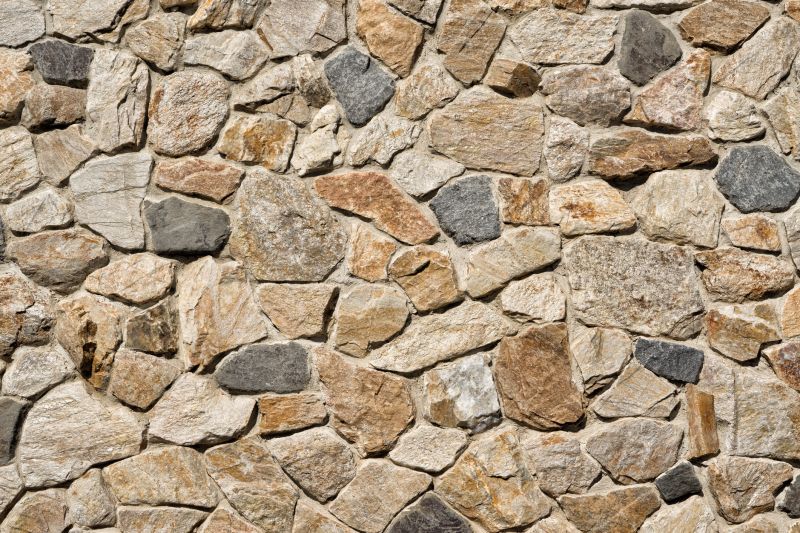
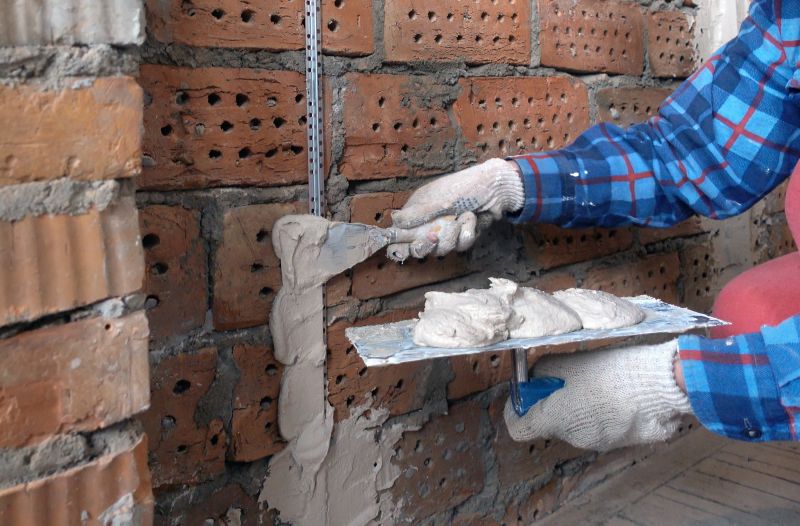
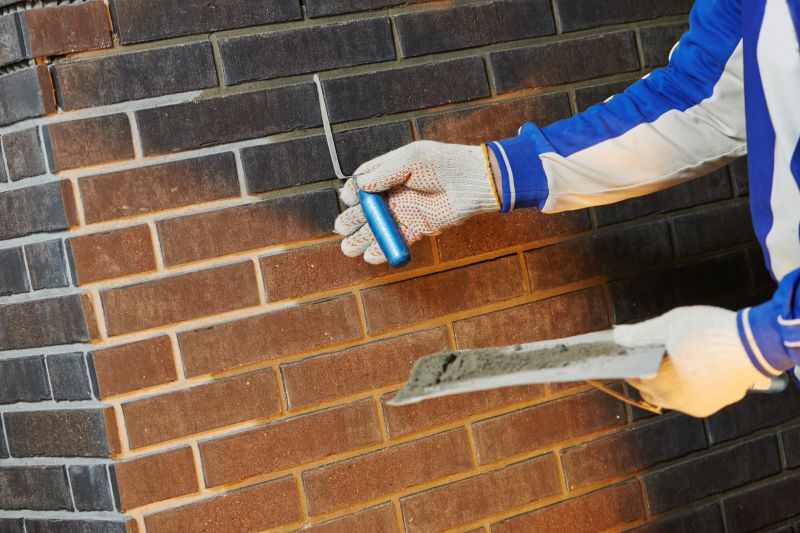
Tuckpointing is a masonry technique that involves repairing or restoring the mortar joints between bricks or stones on a building’s exterior. When people search for this topic, they often want to understand what the process entails and why it matters for the integrity and appearance of their commercial properties. Essentially, tuckpointing replaces deteriorated mortar, filling in cracks and gaps to prevent moisture from seeping into the structure. This process helps maintain the building’s stability, prevents further damage, and keeps the exterior looking well-maintained. For property owners, understanding what tuckpointing is and why it’s critical can help in planning regular maintenance or addressing specific issues before they escalate into costly repairs.
The need for tuckpointing usually relates to problems such as crumbling mortar, cracks, or signs of water infiltration. Over time, exposure to weather conditions can cause mortar joints to weaken, leading to deterioration that compromises the building’s overall stability. Commercial buildings with brick or stone facades-such as office complexes, retail centers, or industrial facilities-are particularly susceptible to these issues. When planning for repairs, property owners often consider tuckpointing as part of their broader maintenance strategies to extend the lifespan of their exteriors. It’s also a key step in preparing a building for renovations or upgrades, ensuring the structure remains sound and visually appealing.
Properties that typically come up in discussions about tuckpointing include multi-story office buildings, retail plazas, warehouses, and other commercial structures with brick or stone exteriors. These types of properties often have large surface areas where mortar joints are exposed to the elements, making them prime candidates for tuckpointing services. Additionally, older buildings that have not been maintained regularly may require more extensive work to address long-term damage. When searching for tuckpointing services, property owners are often looking for local contractors who specialize in commercial projects, as these jobs demand specific skills and experience to handle the scale and complexity involved.
Connecting with experienced commercial tuckpointing service providers is an important step for property owners looking to protect their investments. Local contractors understand the unique needs of commercial buildings and can assess the condition of mortar joints accurately. They can recommend appropriate repair strategies, whether that involves simple patching or more comprehensive repointing work. These professionals also bring knowledge of building codes and best practices, ensuring that repairs are durable and compliant. For property owners, working with local pros means gaining access to specialized expertise that can help preserve the structural integrity and aesthetic appeal of their commercial properties over time.
Masonry Repair - masonry repair involves restoring and strengthening brick and stone structures, skills that are essential for effective tuckpointing and maintaining building integrity.
Brickwork Restoration - professionals specializing in brickwork restoration understand the importance of matching mortar colors and textures, which is vital for seamless tuckpointing projects.
Facade Cleaning and Preservation - facade cleaning helps prepare surfaces for tuckpointing and preserves the aesthetic and structural quality of commercial building exteriors.
Stonework Restoration - stonework restoration requires precision in matching mortar and stone, paralleling the skills needed for high-quality tuckpointing work.
Structural Reinforcement - structural reinforcement projects often involve masonry elements, requiring expertise in mortar work similar to tuckpointing for stability and safety.
Chimney Repair - chimney repair involves mortar and brick work that aligns closely with tuckpointing techniques used to restore and preserve masonry structures.
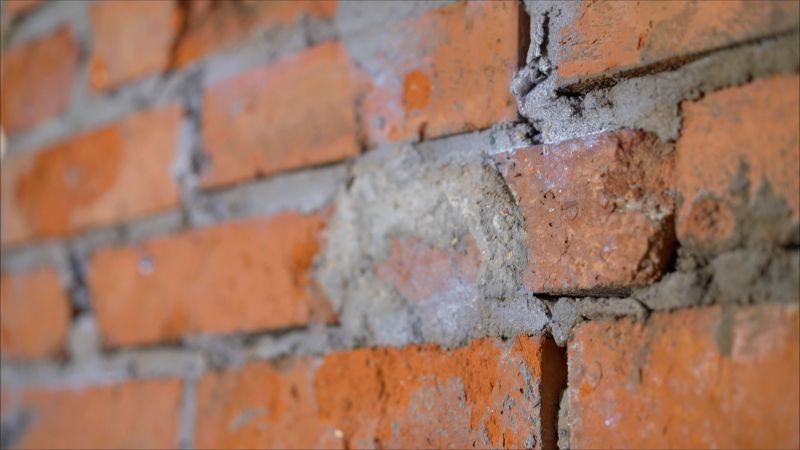
When comparing commercial tuckpointing services, it is important to evaluate the experience of local contractors with similar projects. Tuckpointing involves precise work that restores mortar joints and helps maintain the structural integrity of a building’s masonry. Service providers who have handled projects comparable in size and scope are more likely to understand the specific challenges and best practices associated with commercial properties. This familiarity can contribute to a smoother process and a more reliable outcome, ensuring that the work meets the structural and aesthetic needs of the building.
Clear, written expectations are essential when selecting a contractor for tuckpointing services. A detailed scope of work should outline the specific tasks involved, the materials to be used, and the standards for quality. Having this information in writing helps prevent misunderstandings and provides a basis for accountability. It also allows property owners to assess whether the proposed approach aligns with the building’s requirements and to compare proposals more effectively. Well-defined expectations contribute to transparency and help ensure that the project proceeds smoothly from start to finish.
Reputable references and strong communication are key factors to consider when choosing local service providers. Reliable contractors should be able to provide references from previous commercial projects, demonstrating their track record of successful work. Good communication throughout the process ensures that questions are answered, concerns are addressed, and updates are provided in a timely manner. This level of professionalism helps foster a collaborative relationship, making it easier to navigate the complexities of commercial tuckpointing projects and achieve results that meet the building’s needs.
Property owners often search for what tuckpointing is and why it’s critical for commercial buildings when they are planning practical projects around their homes and businesses. Local pros provide Commercial Tuckpointing services for everyday jobs and straightforward project options.
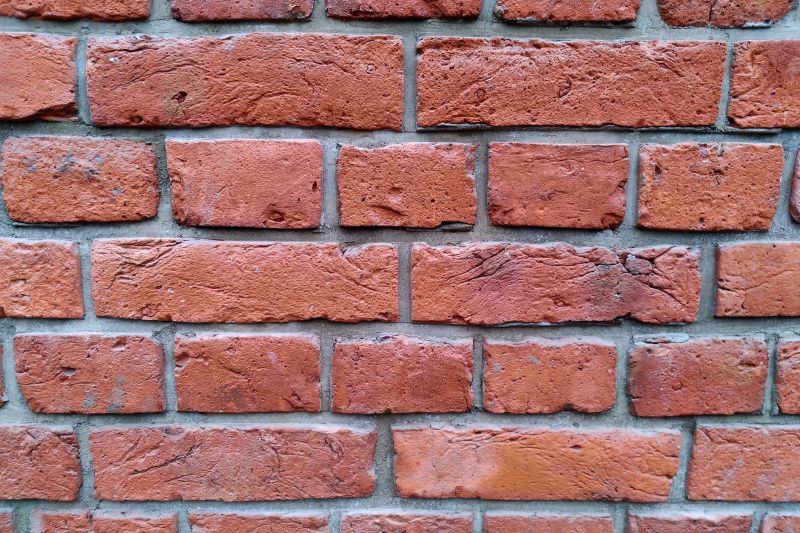
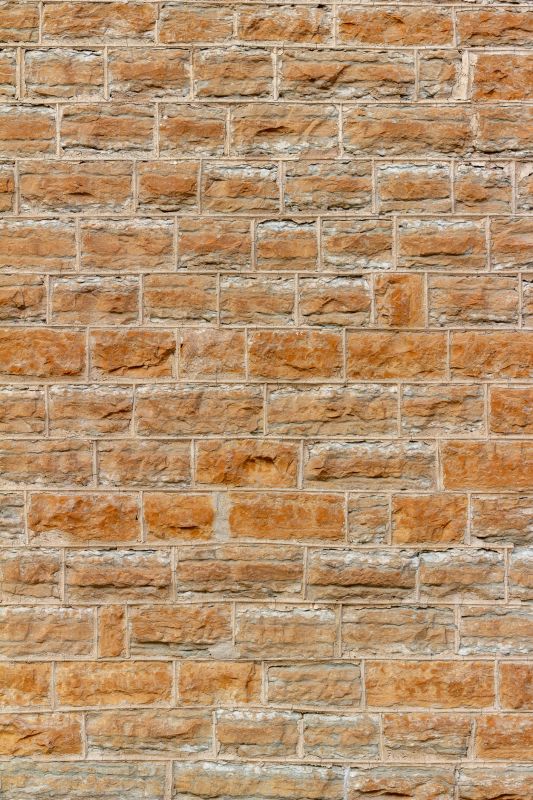
Tuckpointing is a process that involves repairing the mortar joints between bricks or stones on a building’s exterior. For commercial properties, maintaining the integrity of these joints is essential to prevent water infiltration, reduce structural deterioration, and keep the building looking professional. Property owners often look into tuckpointing when they notice cracks, crumbling mortar, or signs of aging on their building’s facade. Addressing these issues early with the help of experienced local contractors can help preserve the building’s appearance and functionality, avoiding more costly repairs down the line.
In many everyday project situations, property owners may seek out commercial tuckpointing services to restore the stability and aesthetic appeal of their buildings. Local service providers can assess the condition of the mortar and recommend appropriate repairs, ensuring the structure remains secure and visually appealing. Whether it’s routine upkeep or addressing specific damage, working with local pros who specialize in tuckpointing offers a practical way to maintain the durability of commercial buildings and protect the investment.
What is tuckpointing and how does it relate to commercial buildings? Tuckpointing is a masonry repair process that involves replacing or restoring the mortar joints between bricks or stones, which is essential for maintaining the structural integrity and appearance of commercial buildings.
Why is tuckpointing important for the longevity of commercial buildings? Proper tuckpointing helps prevent water infiltration, reduces structural damage, and preserves the building’s exterior, making it a critical maintenance task for the durability of commercial properties.
How do local contractors perform tuckpointing on commercial buildings? Local service providers typically assess the condition of existing mortar, carefully remove damaged mortar, and replace it with new mortar that matches the original in color and texture for a seamless repair.
Can tuckpointing improve the appearance of a commercial building? Yes, tuckpointing can significantly enhance the visual appeal by restoring a clean, well-maintained look to the building’s exterior, which can also boost curb appeal.
What are the signs that a commercial building needs tuckpointing? Visible cracks, crumbling mortar, water leaks, or deteriorated joints are common indicators that a building may require tuckpointing services from experienced local contractors.
Assessing masonry integrity - Property owners can evaluate the condition of their building’s brickwork to identify areas needing tuckpointing, ensuring repairs are targeted and effective with the help of local contractors.
Planning for weather protection - Incorporating tuckpointing into building maintenance plans can help prevent water infiltration and damage during adverse weather conditions, with local pros providing guidance on timing and scope.
Preserving building aesthetics - Regular tuckpointing can maintain the appearance of a commercial building, making it look well-kept and professional, especially when coordinated with local service providers.
Addressing structural concerns - Identifying and repairing deteriorated mortar joints through tuckpointing can support the overall stability of a building, with local contractors offering practical solutions for ongoing preservation.
If you are thinking about what tuckpointing is and why it’s critical for commercial buildings for a property, this guide is meant to help you understand this topic, the typical project types, and how different options might fit your plans.
When you are ready, you can use the quote form on this page to share a few details about your project. From there, local pros can review the basics and follow up with options that match what you have in mind.